Key Takeaways
- Persistent knee pain, swelling, locking, or knee pain when bending may signal an internal joint problem that arthroscopy can treat.
- Arthroscopic knee surgery is a minimally invasive procedure used to diagnose and repair meniscus tears, cartilage damage, and other common knee conditions.
- Compared to traditional open surgery, arthroscopy typically involves smaller incisions, less tissue trauma, and faster recovery.
- Knowing when to consult a surgeon can prevent worsening joint damage and support better long-term mobility.
- Dr. Timothy J. Williams, a Harvard-trained orthopedic surgeon in Indianapolis and Terre Haute, provides advanced knee arthroscopy and personalized joint care. Schedule an appointment to receive expert evaluation and guidance.
Understanding Persistent Knee Pain and Its Causes
Knee pain causes range from minor strains to structural damage inside the joint. Occasional soreness after activity is common. However, pain that lingers, worsens, or interferes with daily movement deserves closer attention.
Common causes of ongoing knee pain include:
- Meniscus tears
- Cartilage injury or chondral lesions
- Ligament injuries
- Loose fragments within the joint
- Early degenerative changes
If you are experiencing knee pain when bending, climbing stairs, kneeling, or standing from a seated position, these symptoms may indicate a problem inside the joint rather than simple muscle soreness.
As shown, arthroscopic knee surgery occupies a crucial middle ground. It is more definitive than injections but far less invasive than a total knee replacement. According to the American Academy of Orthopaedic Surgeons, because the procedure uses tiny incisions, patients experience less soft tissue trauma, resulting in reduced postoperative pain compared to open surgery.
Signs That Knee Arthroscopy Might Be Necessary
Not all knee pain requires surgery. Many patients improve with rest, activity modification, or physical therapy. However, certain signs suggest that an arthroscopy knee procedure may be appropriate.
Persistent Pain That Does Not Improve
If knee discomfort continues for several weeks despite conservative treatment, further evaluation is important. Ongoing inflammation or mechanical irritation can affect long-term joint health.
Mechanical Symptoms
Locking, catching, clicking, or a sensation that the knee is giving way often points to a meniscus tear or loose body in the joint. Arthroscopic knee surgery allows direct visualization and targeted repair of these issues.
Swelling After Activity
Recurrent swelling following routine activity may indicate cartilage damage or internal joint irritation.
Limited Range of Motion
Difficulty fully bending or straightening the knee can suggest structural obstruction within the joint.
If these symptoms sound familiar, consulting an orthopedic specialist near you can provide clarity and peace of mind.
Dr. Timothy J. Williams offers comprehensive evaluation and advanced knee arthroscopy services in Indianapolis, helping patients understand their diagnosis and treatment options.
Failure of Conservative Treatment
If physical therapy, activity modification, and medication have not relieved symptoms, further evaluation with an orthopedic specialist near me may be appropriate.
Dr. Timothy J. Williams begins every treatment plan with a detailed consultation, reviewing your history, examining your knee, and ordering imaging when necessary. Surgery is only recommended when it is clearly the most effective option.
What Is Arthroscopic Knee Surgery?
Patients often ask, what is arthroscopic knee surgery and how does it differ from traditional surgery?
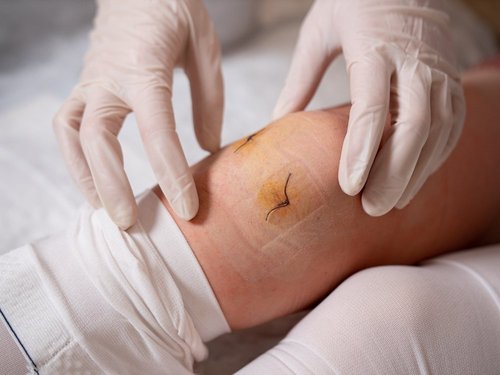
Arthroscopic knee surgery uses a small camera called an arthroscope inserted through tiny incisions. The camera provides a magnified view of the inside of the knee on a monitor. Specialized instruments are inserted through additional small openings to repair or remove damaged tissue.
This minimally invasive approach allows precise treatment while preserving healthy structures.
Compared to open surgery, arthroscopy typically results in:
- Smaller incisions
- Less tissue trauma
- Lower infection risk
- Reduced scarring
- Shorter recovery time
Most procedures are performed on an outpatient basis, allowing patients to return home the same day.
How Arthroscopy Compares to Other Treatment Options
When deciding whether arthroscopy is right for you, it helps to understand how it compares to other approaches.
Non-Surgical Treatment vs. Arthroscopy
| Treatment Option | Best For | Limitations |
|---|---|---|
| Physical Therapy | Mild strains, early discomfort | May not resolve structural tears |
| Anti-inflammatory Medication | Temporary symptom relief | Does not repair damage |
| Injections | Short-term inflammation control | Effects may be temporary |
| Knee Arthroscopy | Meniscus tears, cartilage damage, mechanical symptoms | Surgical procedure, requires recovery |
Arthroscopy is typically considered when conservative care fails or when structural damage is clearly identified.
Arthroscopy vs. Knee Replacement
For patients with localized meniscus or cartilage injury, arthroscopy may be sufficient. For advanced arthritis with widespread joint degeneration, more extensive procedures such as partial knee replacement or total knee replacement surgery may be discussed.
| Feature | Knee Arthroscopy | Knee Replacement |
|---|---|---|
| Incision Size | Small | Larger |
| Tissue Removal | Damaged tissue only | Replacement of joint surfaces |
| Recovery Time | Typically shorter | Longer |
| Best For | Localized damage | Advanced arthritis |
Dr. Timothy J. Williams carefully evaluates each patient to determine the least invasive, most effective treatment for their specific condition.
What to Expect During the Procedure
Understanding what happens during arthroscopic knee surgery can reduce anxiety and help you feel more confident.
Dr. Timothy J. Williams performs knee arthroscopy as a minimally invasive procedure, often allowing patients to return home the same day. His approach emphasizes precision, safety, and patient-centered care. Learn more about his background and expertise here:
Before surgery, a thorough evaluation includes:
- Review of medical history
- Physical examination
- Imaging such as X-rays or MRI
During the procedure:
- The arthroscope provides a clear internal view of the knee
- Damaged meniscus tissue may be trimmed or repaired
- Loose fragments are removed
- Cartilage irregularities may be addressed
The goal is to restore smoother joint movement and reduce pain.
What to Expect After Knee Arthroscopy
Knee arthroscopy recovery time varies depending on the specific repair performed and overall health.
Most patients can expect:
- Weight-bearing with assistance soon after surgery
- Gradual reduction in swelling over the first few weeks
- Physical therapy to restore strength and flexibility
Many return to daily activities within several weeks, although full recovery depends on the extent of the repair.
Dr. Timothy J. Williams collaborates closely with rehabilitation specialists to create structured recovery plans tailored to each patient.
Recovery Tips for Getting Back to Your Routine
The knee arthroscopy recovery time is generally much shorter than traditional surgery, but following a structured plan is vital for the best results.
1. Manage Swelling Early
Elevation and icing are your best friends in the first few days. Keep your leg elevated above heart level to reduce throbbing and apply ice packs as directed by your surgeon to control inflammation.
2. Follow Weight-Bearing Restrictions
Depending on what was repaired, you may need to use crutches for a few days or weeks. It is crucial to follow Dr. Williams' instructions strictly to protect the healing tissue.
3. Commit to Physical Therapy
Rehabilitation exercises play an essential role in recovery after knee procedures. Physical therapy helps restore range of motion, rebuild strength, and support the muscles around the joint. Starting guided movement and strengthening exercises early is widely considered both safe and beneficial for improving overall recovery outcomes.
4. Listen to Your Body
While it is important to stay active, pushing too hard too soon can set you back. If you experience sharp pain or increased swelling, scale back your activity and consult your medical team.
When to Consult a Surgeon for Persistent Knee Pain
You should consult an orthopedic surgeon if:
- Knee pain interferes with work, exercise, or sleep
- Swelling recurs frequently
- Mechanical symptoms such as locking or instability occur
- Conservative treatments have not provided adequate relief
Dr. Timothy J. Williams is a board-certified orthopedic surgeon with over 20 years of experience in hip and knee care. He practices in Noblesville and Terre Haute, providing accessible orthopedic services to patients throughout the region. Office details are available here:
Early evaluation can prevent prolonged discomfort and help you regain confidence in your movement.
Reclaim Your Active Life With Dr. Timothy J. Williams
Knee pain does not have to control your daily life. When symptoms persist, knee arthroscopy offers a minimally invasive option to diagnose and treat common internal joint problems.
Dr. Timothy J. Williams provides advanced knee arthroscopy and comprehensive joint care in Indianapolis and Terre Haute. If knee pain is slowing you down, schedule an appointment to receive a thorough evaluation and personalized treatment plan. Visit the Appointments page to connect with Dr. Timothy J. Williams and explore your options for relief.
Frequently Asked Questions
What is arthroscopic knee surgery used for?
Arthroscopic knee surgery is used to diagnose and treat internal knee problems such as meniscus tears, cartilage damage, loose bodies, and certain ligament injuries.
How do I know if knee arthroscopy is necessary?
If knee pain persists despite conservative care, or if you experience locking, catching, or swelling that limits daily activities, an orthopedic evaluation can determine whether arthroscopy is appropriate.
How long is knee arthroscopy recovery time?
Recovery time varies, but many patients resume light activities within a few weeks. Full recovery depends on the type of repair performed and adherence to rehabilitation guidelines.
Can knee pain when bending indicate a need for surgery?
Knee pain when bending may signal meniscus or cartilage damage. If symptoms persist or worsen, consulting a specialist can clarify the cause and guide treatment.
How do I find an orthopedic specialist near me for knee pain?
Searching for a board-certified orthopedic surgeon with expertise in arthroscopic knee surgery is important. Dr. Timothy J. Williams provides specialized knee care in Indianapolis and Terre Haute, offering comprehensive evaluation and personalized treatment plans.