Key Takeaways
- Knee arthroscopy provides a precise diagnosis and targeted treatment for common knee problems like meniscus tears and ligament injuries by using a small camera to view the joint.
- As a minimally invasive procedure, it involves smaller incisions, which leads to less pain, minimal scarring, and a significantly shorter knee arthroscopy recovery time compared to traditional open surgery.
- The procedure effectively relieves pain and restores joint function, allowing patients to get back to their daily activities with improved mobility and stability.
- Knee arthroscopy offers excellent long-term outcomes, helping to preserve joint health and prevent further damage from untreated conditions.
- Dr. Timothy J. Williams, an expert orthopedic specialist in the Indianapolis area, provides advanced arthroscopic knee procedures to help patients find lasting relief from chronic knee pain.
Your Path to Healing: How Knee Arthroscopy Works
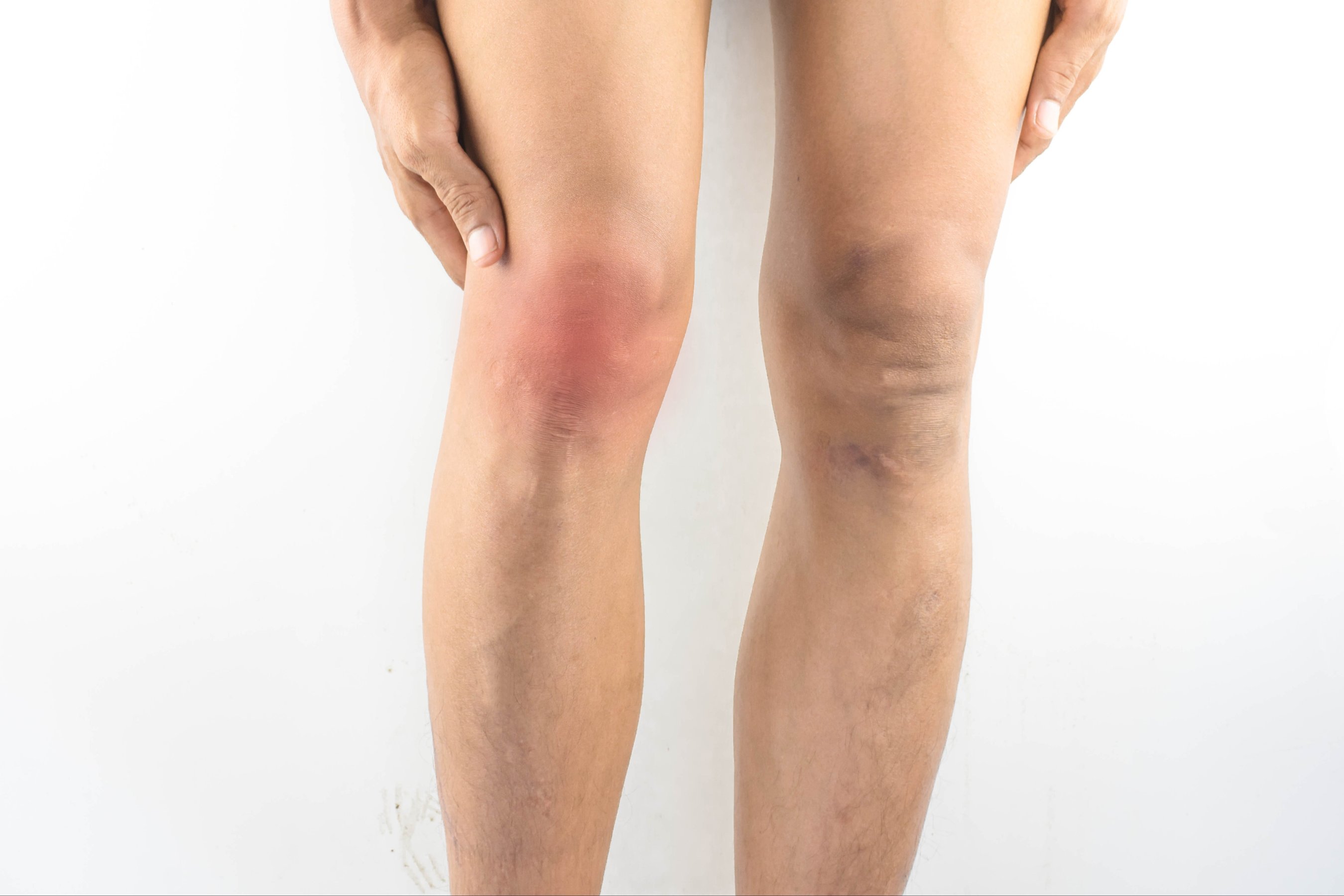
When chronic knee pain disrupts your life, finding a solution that offers real, lasting relief is a top priority. Simple tasks like walking, climbing stairs, or enjoying your favorite hobbies can become difficult. If conservative treatments like rest and physical therapy haven't worked, you may feel discouraged. However, an advanced, minimally invasive procedure called knee arthroscopy could be the answer.
This procedure has transformed how surgeons treat joint problems, offering a way to both diagnose and repair damage with incredible precision. For those struggling with persistent discomfort, understanding how this innovative treatment helps can provide hope and a clear path forward. Here are five ways an arthroscopy knee procedure can help you heal.
1. Precisely Diagnosing and Treating the Problem
One of the greatest benefits of knee arthroscopy is its ability to provide a crystal-clear diagnosis. Before the procedure, your doctor will assess your symptoms, but arthroscopy allows them to see exactly what is happening inside your joint.
What is arthroscopic knee surgery?
During the procedure, a surgeon makes a few small incisions around your knee and inserts a tiny camera called an arthroscope. This camera projects a live video from inside your joint onto a screen, giving your surgeon a magnified, detailed view of your cartilage, ligaments, and other tissues. This allows them to accurately identify the source of your pain, whether it’s a torn meniscus, a damaged ligament, or loose cartilage.
Once the problem is identified, your surgeon can use specialized, miniature instruments inserted through the other small incisions to repair the damage. This targeted approach ensures that only the affected tissue is treated, preserving the healthy parts of your knee.
2. A Faster, Less Painful Recovery
The thought of surgery often brings to mind long hospital stays and a painful recovery. However, the arthroscopy knee procedure is minimally invasive, which makes the healing process much smoother.
Compared to traditional open surgery, which requires a large incision, knee arthroscopy offers several advantages for recovery:
- Less Post-Operative Pain: Smaller incisions cause less trauma to the surrounding muscles and tissues, resulting in significantly less pain after the procedure.
- Minimal Scarring: The incisions are typically only a few millimeters long and heal into small, faint scars that are barely noticeable.
- Lower Risk of Complications: With less exposure of the internal tissues, the risk of infection and other complications is reduced.
- Outpatient Procedure: Most patients can go home the same day as their surgery, allowing them to recover in the comfort of their own homes.
This less invasive approach contributes to a faster overall knee arthroscopy recovery time, helping you get back on your feet sooner.
3. Restoring Joint Function and Mobility
Knee pain doesn’t just hurt; it limits your ability to move. You might find yourself avoiding activities you once loved or struggling with knee pain when bending to pick something up. Knee arthroscopy is designed to fix the mechanical problems that cause this dysfunction.
For example, a torn meniscus can catch in the joint, causing it to lock or feel unstable. By trimming or repairing the tear, your surgeon restores smooth movement. Likewise, removing loose pieces of cartilage eliminates the catching sensation and allows the knee to glide freely again.
Following surgery, a personalized physical therapy plan helps you regain strength and flexibility. Studies published by the National Institutes of Health confirm that structured rehabilitation is key to optimizing function after arthroscopy. Over several weeks, you’ll work to restore your knee’s full range of motion and build muscle support, leading to improved stability and confident, pain-free movement.
4. Providing Excellent Long-Term Outcomes
A common concern for patients is whether a procedure will provide lasting relief. Knee arthroscopy has a proven track record of delivering durable, long-term results for many conditions. By addressing the root cause of the pain, the procedure can prevent the issue from worsening over time.
For instance, leaving a meniscus tear untreated can lead to further damage and may increase the risk of developing osteoarthritis later in life. By repairing the tear, arthroscopy helps preserve the health and integrity of your knee joint for years to come. Patients who undergo this procedure often report high satisfaction and a return to active lifestyles, including sports and recreational activities. An orthopedic specialist near you can help determine if you are a good candidate for achieving these positive outcomes.
5. A Solution When Other Treatments Fail
Knee arthroscopy is often recommended when more conservative approaches have not provided adequate relief. Many people with knee pain first try treatments such as:
- Rest and activity modification
- Ice and anti-inflammatory medications
- Physical therapy
- Injections, such as corticosteroids
While these methods can be effective for minor strains or inflammation, they may not resolve structural problems like a significant tear. If you have been dealing with chronic knee pain for months and find that your symptoms are not improving or are getting worse, it may be time to consider a surgical evaluation. An expert can determine if an underlying mechanical issue is preventing you from healing and if an arthroscopy knee procedure is the right next step.
When Should You Consider Knee Arthroscopy?
Knee arthroscopy may be considered if:
- Knee pain when bending persists for several weeks
- Swelling and stiffness limit daily activities
- Mechanical symptoms such as locking or catching occur
- Conservative treatments have not provided sufficient relief
- Imaging suggests a treatable internal knee injury
Dr. Timothy J. Williams begins with a comprehensive evaluation that includes a detailed medical history, physical examination, and imaging studies when needed. Only after reviewing all options will surgical intervention be recommended.
If your symptoms are severe or associated with advanced arthritis, other solutions such as revision joint replacement may be discussed when appropriate. The focus is always on individualized care tailored to your needs.
What to Expect After a Knee Arthroscopy Procedure
Understanding knee arthroscopy recovery time can help you prepare with confidence.
While every patient’s recovery is unique, most can expect:
- Walking with assistance shortly after surgery
- Gradual return to normal daily activities within several weeks
- Structured physical therapy to restore strength and flexibility
Many patients notice meaningful improvement in pain and mobility within the first few weeks, though complete recovery depends on the type of repair performed and overall health.
Clear communication, guided rehabilitation, and realistic expectations are key to achieving the best possible outcome.
Get Expert Care for Your Knee Pain in Indianapolis
Living with persistent knee pain can be frustrating, but you don't have to accept it as your new normal. Knee arthroscopy offers a powerful, minimally invasive solution that can accurately diagnose and treat the source of your discomfort, allowing for a faster recovery and a return to a pain-free life.
Dr. Timothy J. Williams is a board-certified orthopedic surgeon specializing in advanced knee treatments. He and his team are dedicated to providing compassionate, patient-centered care to help you heal. To learn more about how knee arthroscopy can help you, schedule an appointment with Dr. Williams today at his office in Indianapolis.
Frequently Asked Questions
What is arthroscopic knee surgery?
Arthroscopic knee surgery is a minimally invasive procedure that uses a small camera and specialized instruments inserted through tiny incisions to diagnose and treat knee problems such as meniscus tears or cartilage damage.
How long is knee arthroscopy recovery time?
Knee arthroscopy recovery time varies depending on the specific repair performed. Many patients return to light activities within a few weeks, while full recovery may take several weeks to a few months.
Is the arthroscopy knee procedure painful?
Most patients experience less post-operative discomfort compared to traditional open surgery. Pain is typically manageable and improves steadily as healing progresses.
Can knee arthroscopy fix knee pain when bending?
If knee pain when bending is caused by a meniscus tear, cartilage damage, or loose body inside the joint, arthroscopy may effectively address the underlying issue and reduce pain.
How do I know if I need an orthopedic specialist near me for knee pain?
If knee pain persists despite rest, physical therapy, or medication, or if you experience locking, swelling, or instability, an evaluation with a board-certified orthopedic surgeon like Dr. Timothy J. Williams can determine the most appropriate treatment plan.
